Ephedra
Ephedra
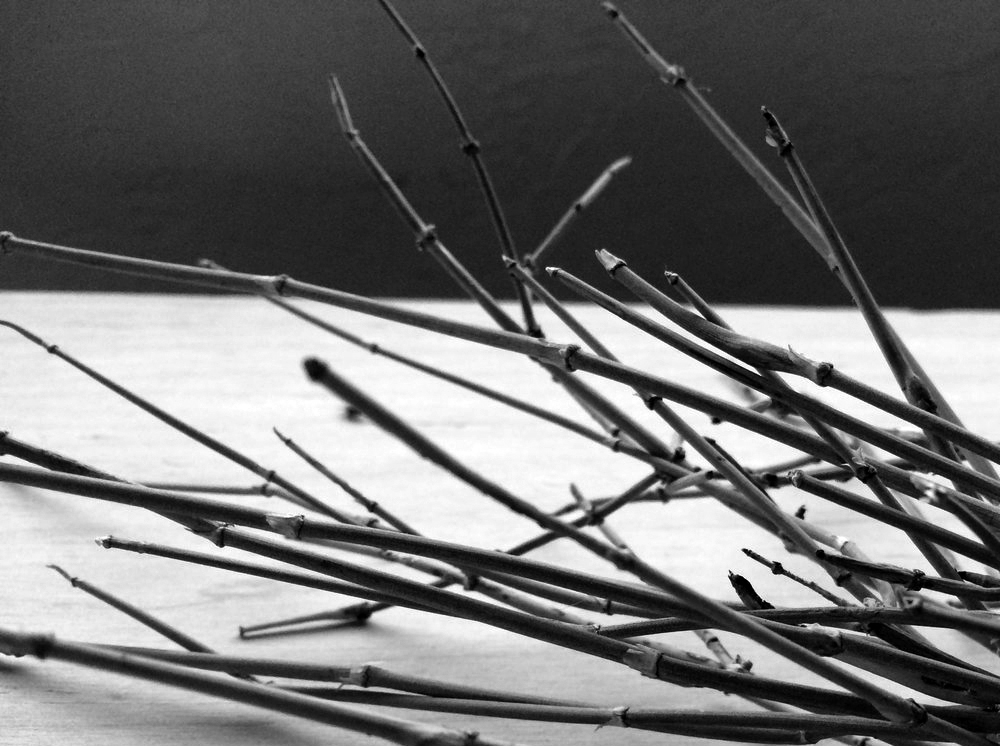
There are a number of edible plants growing around A-Z West – one of the most common in the encampment area is Ephedra, otherwise known as Mormon Tea, or Desert Tea, a medium-sized shrub that grows up to 4 feet high and appears to have no leaves. It looks like a thicket of numerous green, jointed, leafless branches with conspicuous nodes or joints.
My grandparents used to make us Desert tea when we were kids in order to avoid giving us “grown up tea” that had caffeine in it – little did we know then that the tea is actually a form of ephedra.
The Indians prepared Mormon tea for stomach and bowel disorders, for colds, fever, and headache. Dried and powdered twigs were used in poultices for burns and ointments for sores and one tribe made a decoction of the entire plant and drank it to help stop bleeding.
Early Mormon settlers, who abstained from regular tea and coffee, drank the beverage made from this plant. Other white settlers used a very strong tea of the plant for the treatment of syphilis and other venereal disease, and as a tonic. It was standard fare in the waiting rooms of whorehouses in early Nevada and California. It was said to have been introduced by Jack Mormon who frequented Katie’s Place in Elko, Nevada during the mining rush of the last century.
In order to make the tea, a handful of green or dry stems and leaves are placed in boiling water for each cup of tea desired. After cooking a little while the tea is removed from the fire and allowed to steep for twenty minutes or more. In early times a spoon of sugar or some strawberry jam was added to bring out the flavor.
Although not as potent as the commercial relatives in China and India, the southwestern species contains enough ephedrine-related alkaloid ingredients to make it functional. The drug ephedrine is a stimulant to the sympathetic nerves and has an effect on the body similar to adrenaline. It has a pronounced diuretic and decongestant effect and was used wherever urinary tract problems occurred. The dark brown resinous scales contain at least a third tannin and made an excellent external hemostatic. The small, hard, brown seeds were ground and used as a bitter meal or added to bread dough to flavor it.